Tripsring

DESTINATIONS

One Island. Everywhere Worth Visiting.

Sri Lanka is a destination that compresses an extraordinary range of geography, history, and natural life into an island that can be crossed in a day yet takes a lifetime to fully understand. Its ancient plains hold the ruins of kingdoms that flourished two thousand years ago. Its central highlands are terraced from ridge to ridge with the tea estates that produce the world’s finest Ceylon tea. Its national parks host leopards, wild elephant herds, and one of Asia’s most diverse collections of bird species. Its coastline shifts from surf beaches and whale-watching grounds to colonial-era harbours and mangrove-edged lagoons. And threaded through all of it is a culture of remarkable warmth and daily beauty that makes the people of this island as memorable as its landscapes. Tripsring’s destination portfolio covers every corner – and the spaces between that most itineraries skip.

Golden Shores, Blue Water, and the Particular Easy Energy of the Sri Lankan Coast.

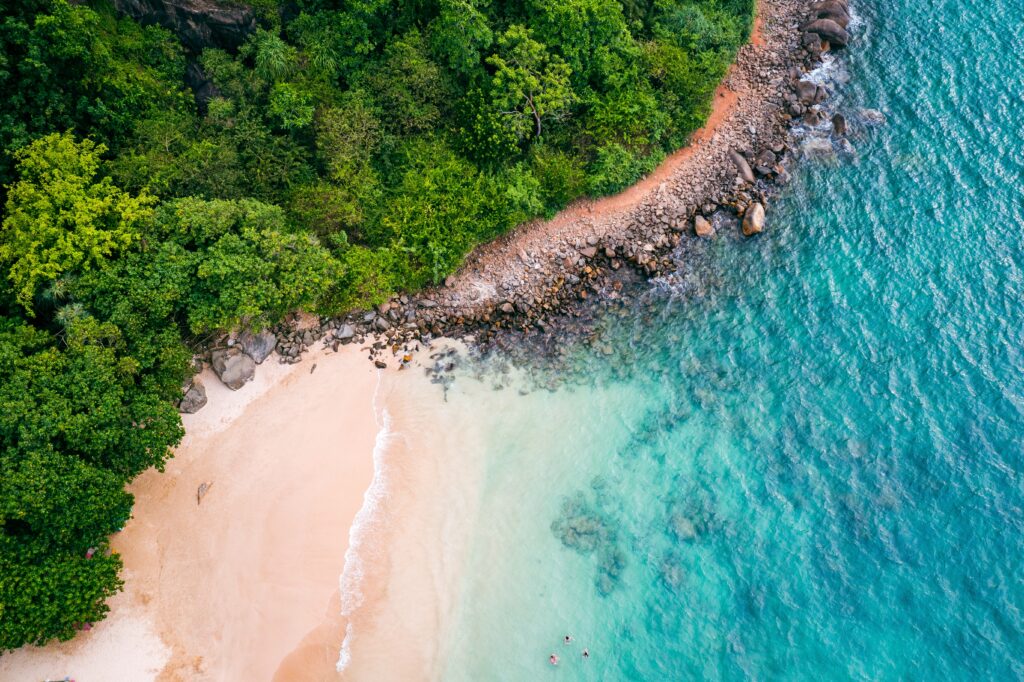
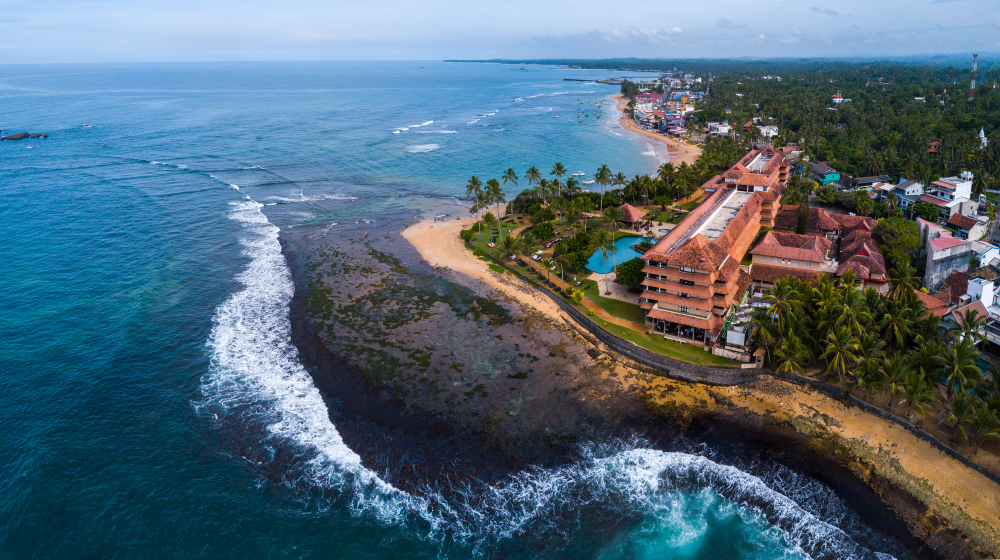
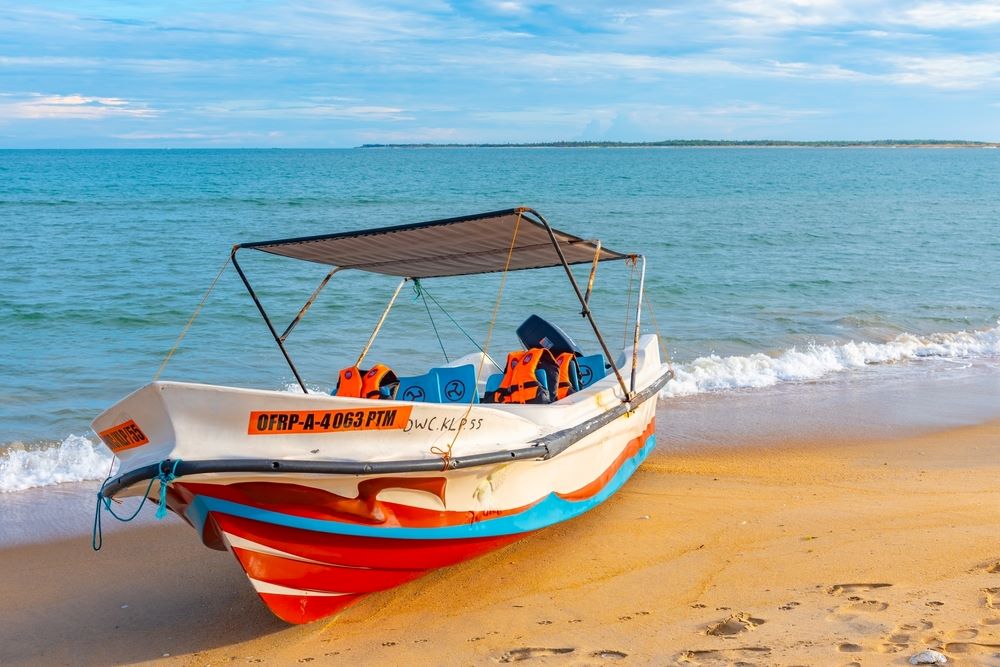
Sri Lanka’s coastline wraps around the entire island in a ribbon of distinct character – the western shore lined with resort towns and Dutch canal heritage; the deep south offering whale-watching grounds, colonial forts, and beginner surf breaks; and the eastern coast revealing itself from May to September as some of the most pristine and uncrowded beach country in Asia. Tripsring introduces you to the coastal Sri Lanka that matches your travel style.

Passikudah

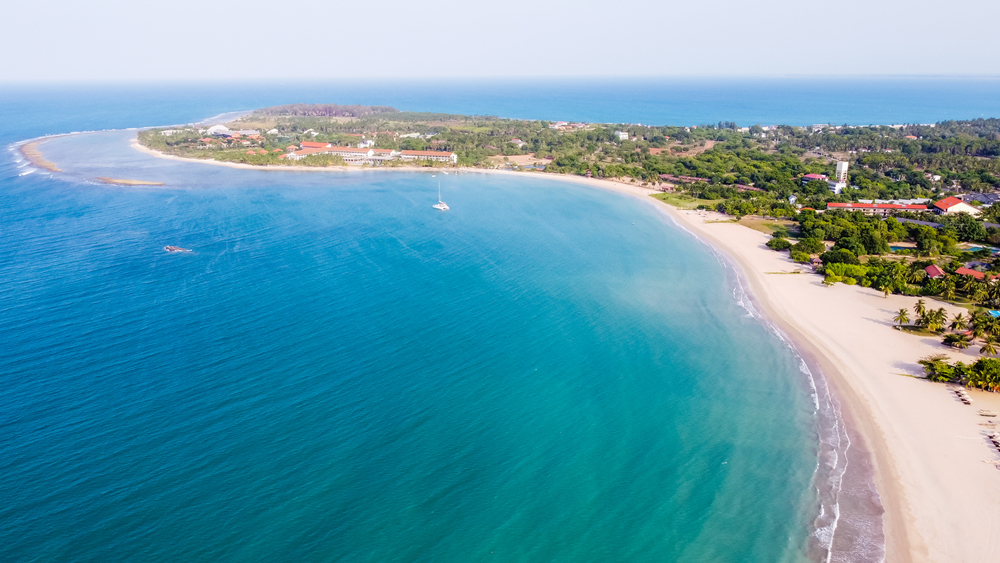
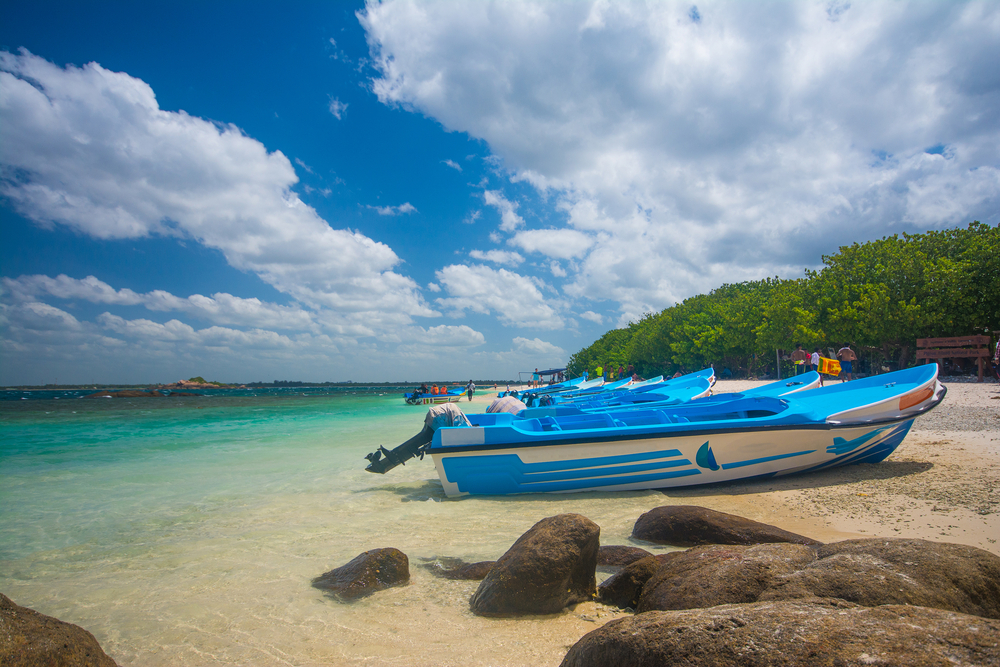
Sri Lanka’s calmest and most luminous bay – a vast, shallow crescent of glassy water on the east coast where crystalline conditions extend for hundreds of metres offshore, creating the most natural swimming pool in the country. Best experienced from May to September when the east coast opens under blue skies, Passikudah is home to a cluster of resort properties ranging from comfortable mid-range to genuinely luxurious, all oriented around one of the most visually striking coastal settings in Asia.

Trincomalee

The jewel of Sri Lanka’s east coast – a city of sweeping natural harbours, dramatically placed Hindu temples, and some of the finest white-sand beaches on the island, best experienced between May and September when the waters off Nilaveli and Uppuveli are crystal-clear and the offshore whale-watching season is at its peak. The deep, naturally sheltered harbour at Trincomalee is one of the world’s most impressive, and the Koneswaram Temple perched on Swami Rock above the sea adds a powerful cultural dimension to what is already a magnificent coastal setting.

Arugam Bay

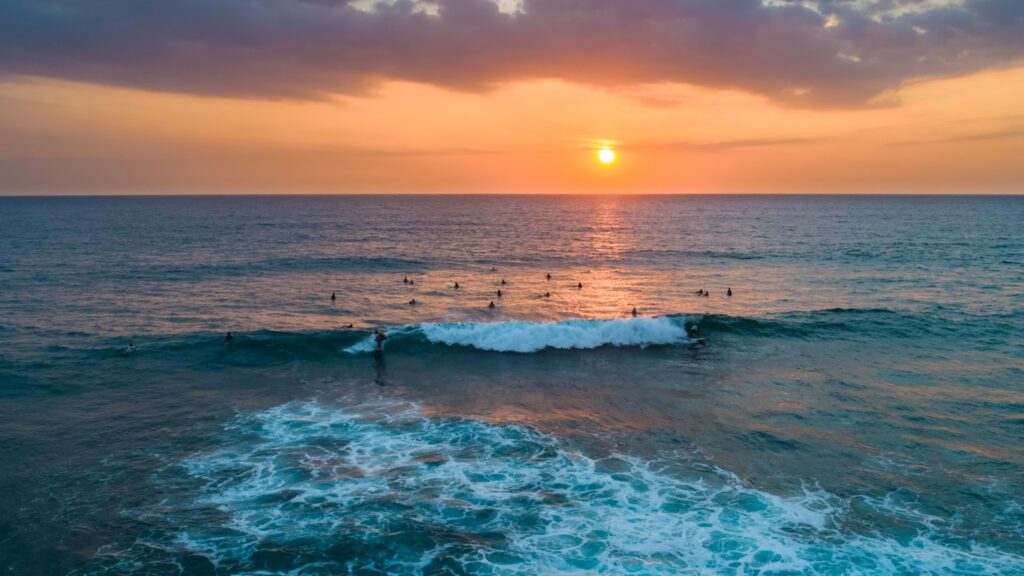
Sri Lanka’s surf capital and east coast soul – a legendary point break town on the southeastern shore that draws wave-riders from around the world between May and October and carries a low-key, bohemian coastal energy throughout the year. Beyond surfing, ‘A-Bay’ is one of the island’s most atmospheric beach destinations, with the extraordinary birdlife of Kumana National Park just to the south and the kind of easy, time-suspended coastal character that makes it genuinely difficult to leave.

Weligama

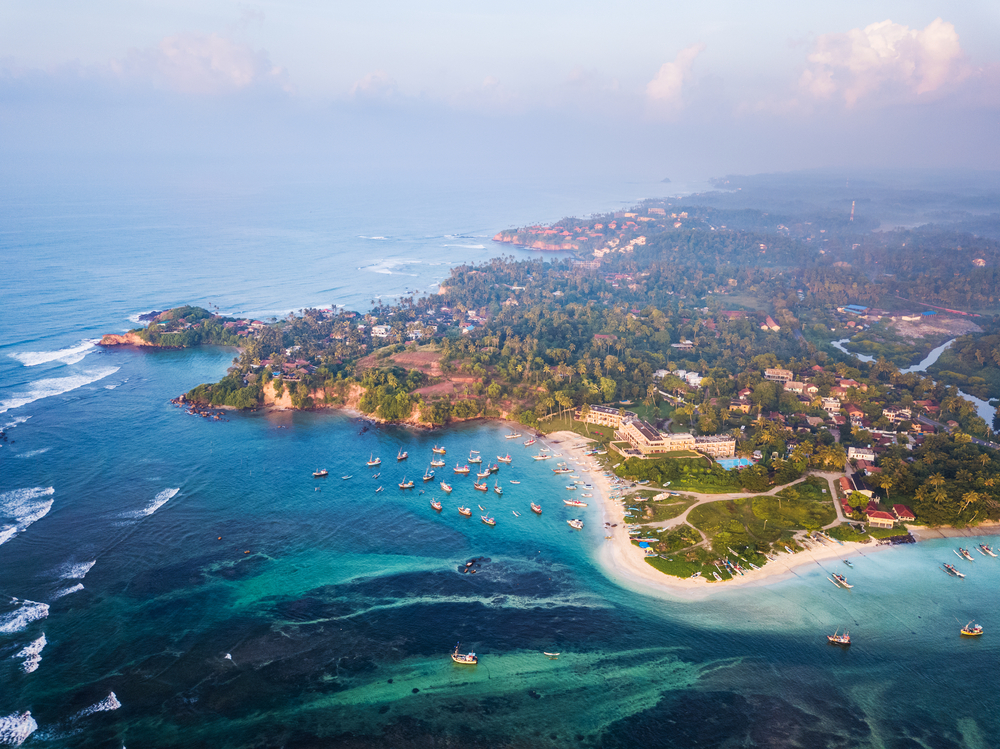
Sri Lanka’s quintessential beginner surf town – a wide, gently curving bay with warm, forgiving waves and one of the most welcoming coastal atmospheres on the south coast, home to good surf schools, a relaxed cafe scene, and the iconic stilt fishermen whose silhouettes above the surf have become one of the most recognised images of the entire island. Weligama is also the nearest beach town to Cape Weligama, one of Sri Lanka’s most celebrated luxury clifftop retreats.

Mirissa

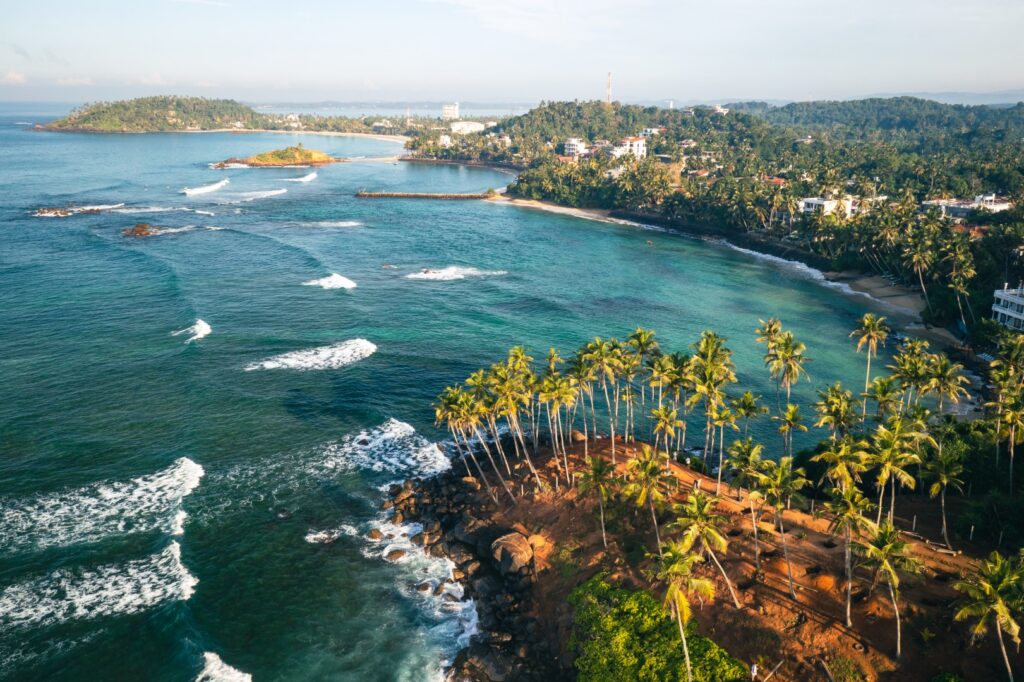
Sri Lanka’s most beautiful southern bay is a small, palm-fringed crescent of warm water backed by low jungle hills and opening onto one of the world’s finest whale-watching zones between November and April. On shore, Mirissa is relaxed and unhurried – coconut trees, hammocks, beachside restaurants, and the kind of slow afternoon light that makes you want to stay longer than you planned. In the water, it is extraordinary.

Galle

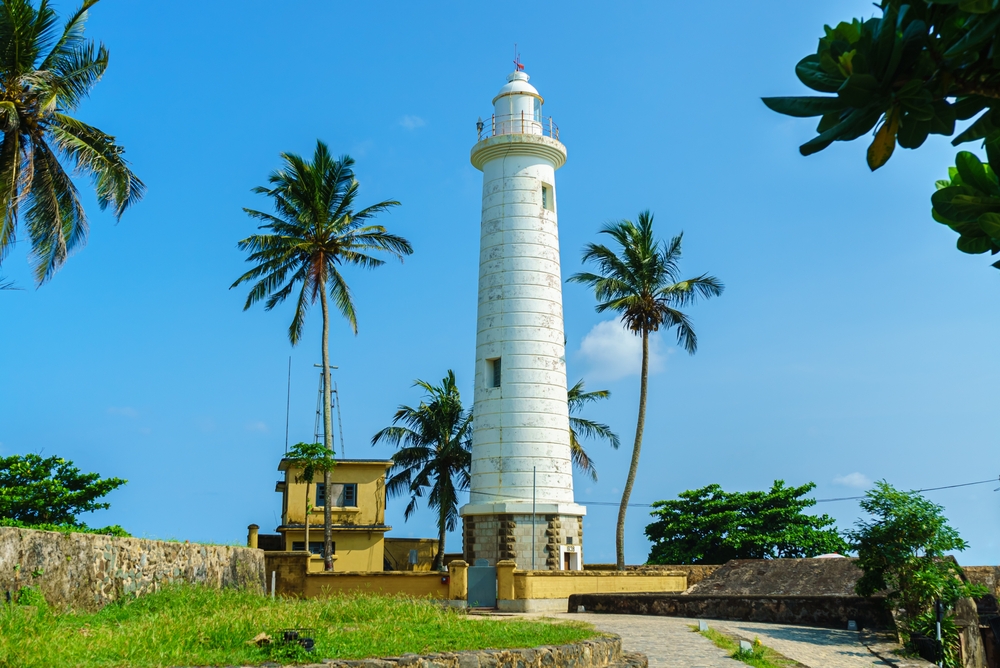
Where colonial history and contemporary coastal style meet in the most atmospheric environment on the Sri Lankan coast – a 17th-century Dutch sea fortress perched on a rocky headland above the Indian Ocean, its UNESCO-listed ramparts enclosing a living town of boutique hotels, independent galleries, artisan cafes, and restored Dutch-period architecture. Walking Galle Fort’s ramparts at sunset with the Indian Ocean on one side and centuries of layered heritage on the other is one of those experiences that consistently defines a Sri Lanka journey.

Unawatuna

A sheltered, crescent-shaped bay of warm, reef-protected water tucked just south of Galle, Unawatuna combines natural swimming conditions with a cheerful beachside atmosphere and the proximity of one of Asia’s finest heritage sites directly behind it. Palm-lined, calm, and consistently beautiful in the late afternoon light, it is the south coast beach that most visitors find themselves returning to repeatedly within the same trip.

Hikkaduwa

Sri Lanka’s most spirited beach town pairs a vibrant, colourful social scene with a genuinely beautiful coral sanctuary just offshore – the Hikkaduwa National Park reef supports marine turtles, parrotfish, and tropical reef life visible by snorkelling or glass-bottomed boat in surprisingly clear water. The town’s surfable beach break, beachside cafe culture, and easy accessibility from Colombo make it the ideal half-day or full-day coastal escape from the main heritage circuit.

Bentota

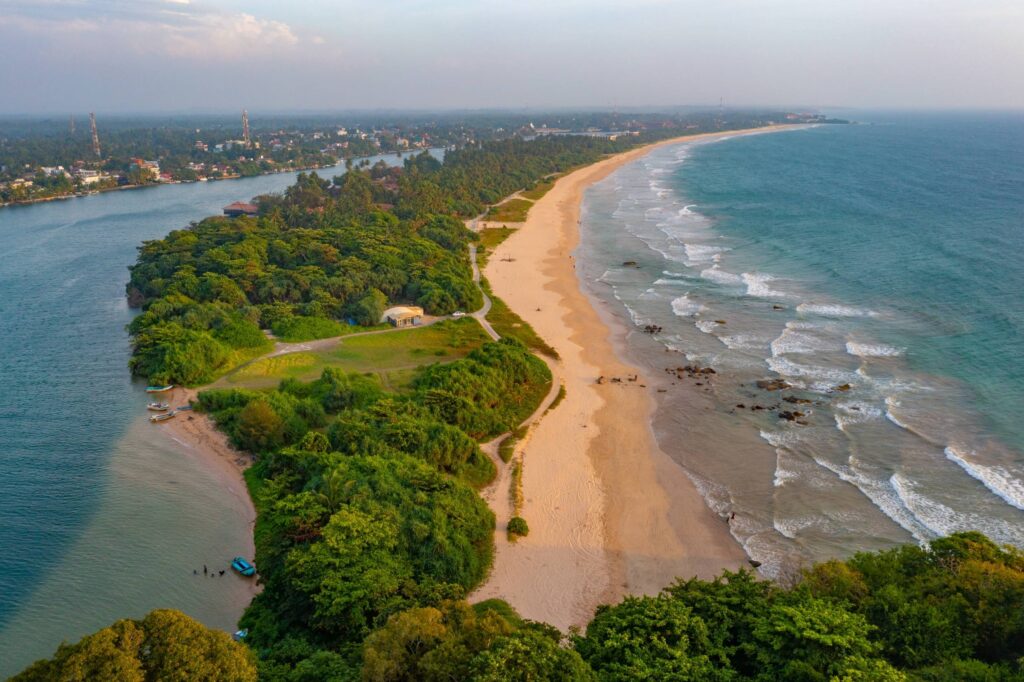
Sri Lanka’s most elegantly developed beach resort town on the west coast – a long, wide sweep of sandy shoreline where the calm Bentota River estuary creates protected conditions for water sports, boat safaris, and the famous Madu River mangrove system nearby. The town is home to several of Sri Lanka’s finest luxury resort properties and carries a relaxed, unhurried quality that makes it a perennial favourite for travellers seeking both active coastal days and genuine rest.

Negombo

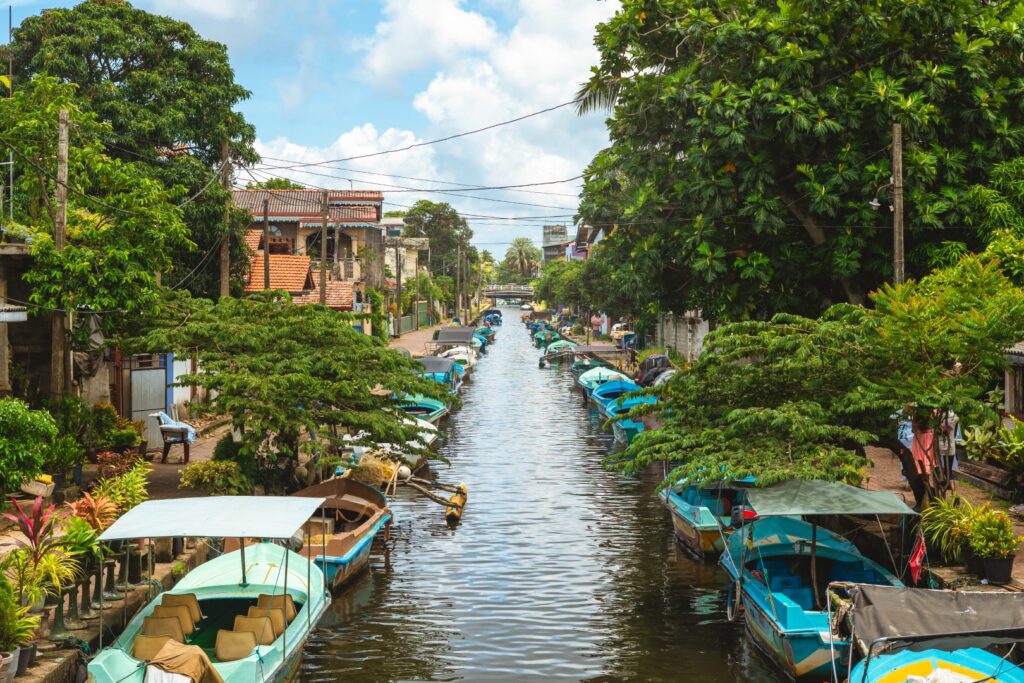
Just minutes from the international airport, Negombo is a lively, layered coastal town built around a traditional fishing community, a network of Dutch-built canals, and a concentration of Catholic church heritage that has earned it the affectionate local nickname of ‘Little Rome.’ It is Sri Lanka’s most natural first or last impression – a place of golden sunsets over the lagoon, fresh seafood on the beach, and the easy warmth of a coastal community that has been welcoming arrivals for centuries.

Where the Ancient World Stayed Standing. Where History Still Breathes.

Sri Lanka’s Cultural Triangle and highland heritage sites hold some of the most remarkable archaeological and sacred landscapes in all of Asia – ancient kingdoms whose engineering sophistication still astonishes modern observers, rock fortresses built by kings with a vision that matched their ambition, cave temples painted without interruption for two thousand years, and highland cities whose devotional traditions have continued unbroken from their foundation to the present day. Tripsring routes its cultural itineraries through these extraordinary places with the depth of guidance they deserve.

Dambulla

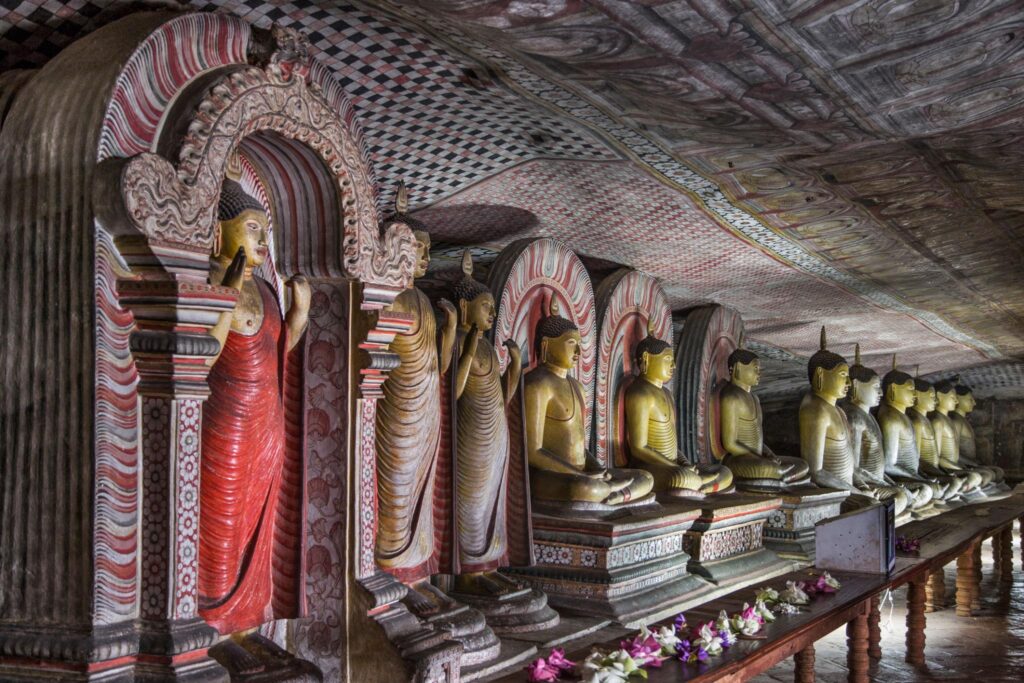
The Dambulla Cave Temple complex is one of Sri Lanka’s greatest and most visually extraordinary sacred sites – five natural granite caves used continuously as Buddhist places of worship for over 2,000 years, their interiors painted ceiling to floor with intricate, vivid iconography and housing over 150 Buddha statues including reclining figures carved from the living rock itself. The luminous colours of the cave paintings, the scale of the statues, and the meditative atmosphere of the interiors combine to make Dambulla a genuinely unforgettable heritage experience.

Kandy

Sri Lanka’s last royal capital and its enduring cultural heartland – a highland city set around an artificial lake, crowned by the Sri Dalada Maligawa, the Temple of the Sacred Tooth Relic that houses the most sacred Buddhist relic in the world, and alive with the living traditions of the Kandyan kingdom in its art, its ceremony, and its daily devotional practices. Kandy is not simply a destination – it is the centre of gravity of Sri Lankan culture, and no understanding of the island is complete without spending real time here.

Polonnaruwa

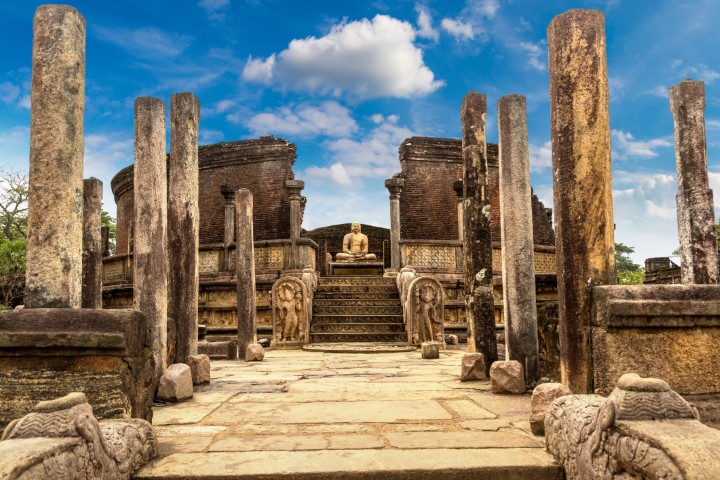
Sri Lanka’s medieval golden age in stone – a compact, beautifully preserved ancient royal capital that flourished between the 10th and 12th centuries and left behind the Gal Vihara’s colossal Buddha sculptures, the extraordinary Parakrama Samudra reservoir, and the Royal Palace ruins as enduring evidence of a civilisation at its most artistically accomplished and politically powerful. Best explored by bicycle through the archaeological zone, Polonnaruwa rewards unhurried engagement with a density of fine medieval heritage unmatched anywhere in the country.

Anuradhapura

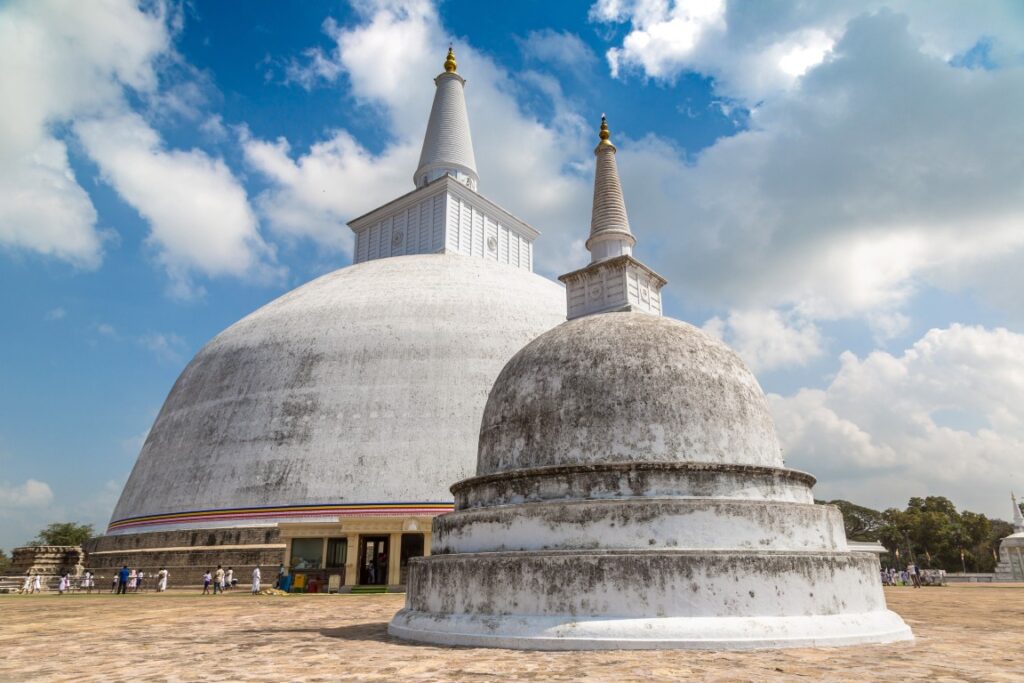
Sri Lanka’s first and greatest ancient capital – a UNESCO World Heritage Site of towering brick stupas, vast sacred reservoirs, the ruins of monastic complexes that once housed thousands of monks, and the Sri Maha Bodhi, a fig tree grown from a cutting of the original Bodhi tree that has stood continuously for over 2,300 years and is the oldest documented planted tree on earth. Walking through the ancient city with a knowledgeable guide who can bring the scale and sophistication of what was built here to life is a genuinely humbling and extraordinary experience.

Sigiriya

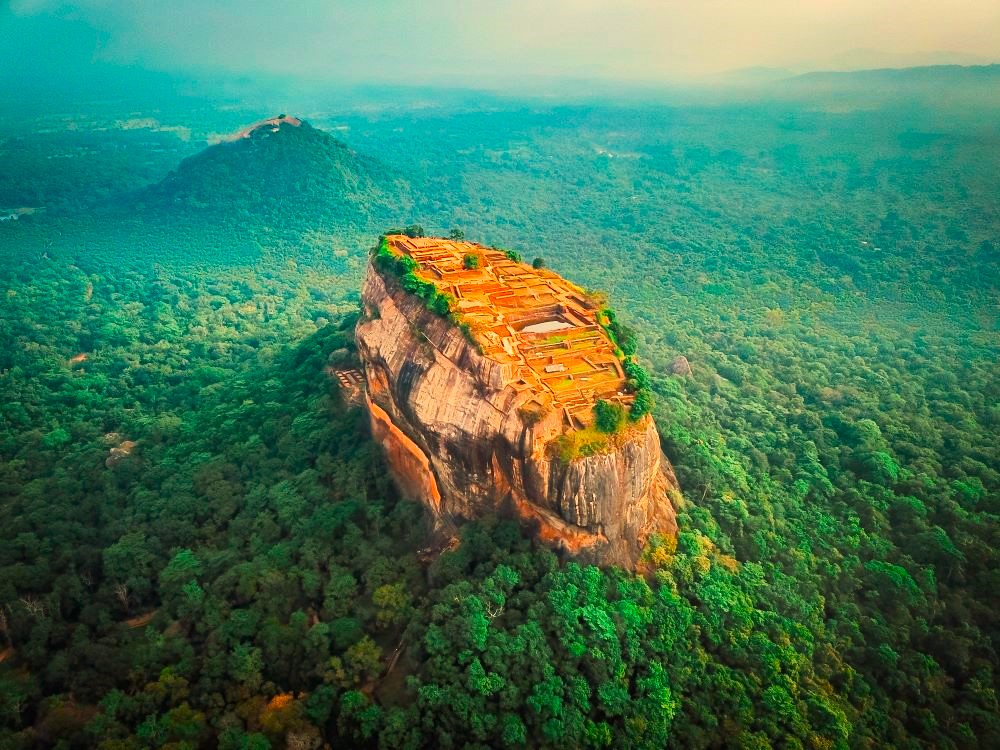
A 200-metre volcanic monolith transformed in the 5th century CE into a sky palace of extraordinary ambition – terraced water gardens at its base, frescoes of celestial maidens painted directly into the rock face, and a summit palace complex with 360-degree views across the Cultural Triangle plain that remains one of the most dramatic archaeological experiences in Asia. The ascent through formal gardens, past enormous carved lion paws, and up iron stairways to a panorama unchanged in fifteen centuries is among the defining experiences of any Sri Lanka journey.
Sri Lanka’s Wild South. Where the Island Lets Its Guard Down.

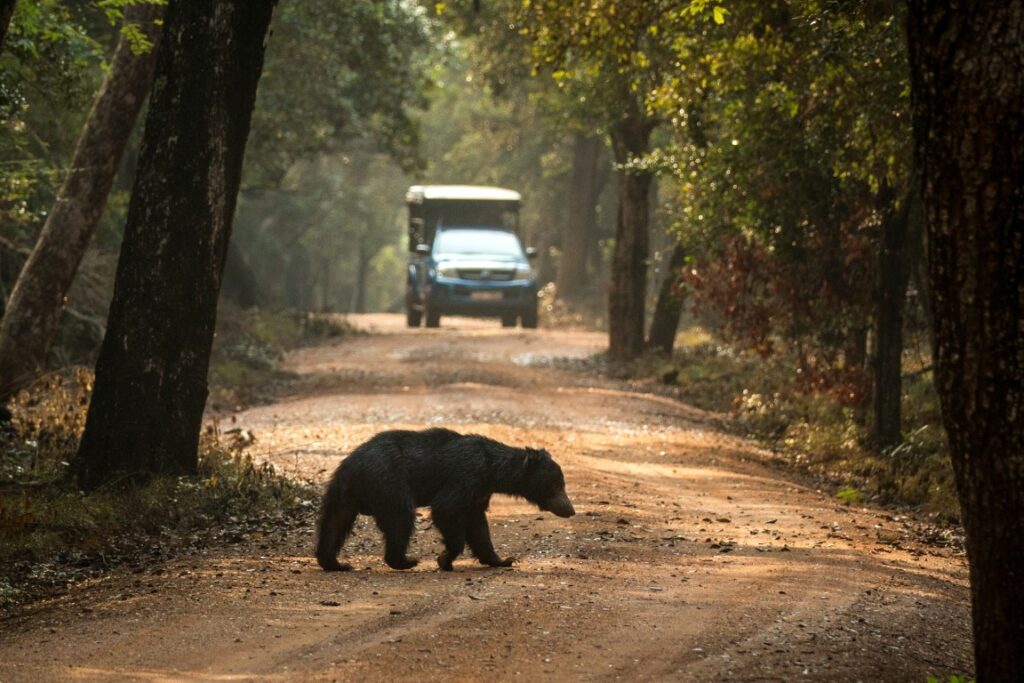
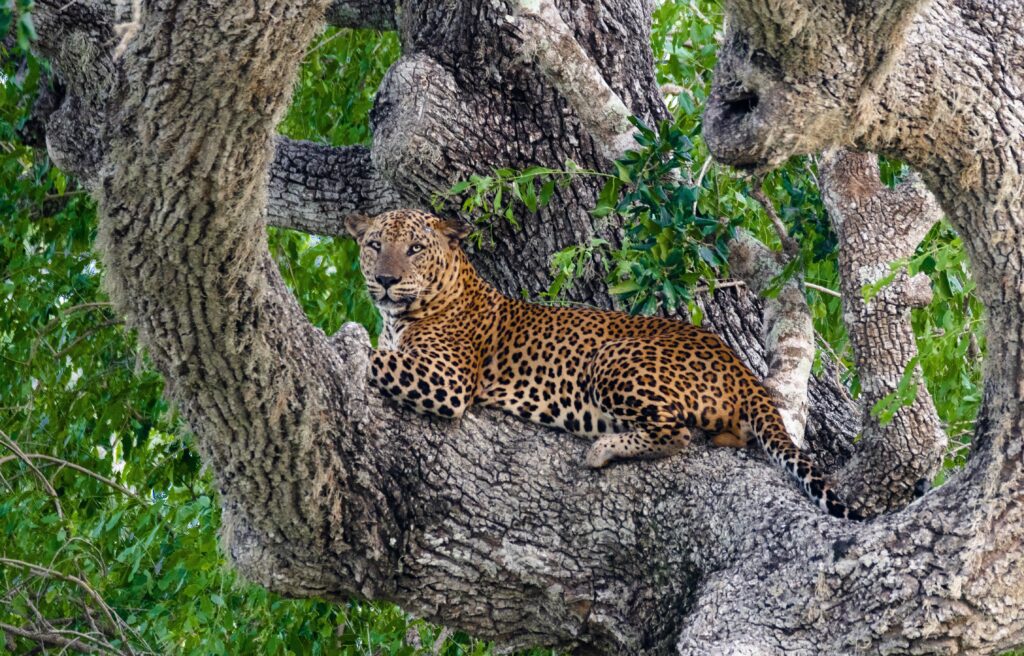
Sri Lanka’s national parks deliver wildlife encounters of extraordinary quality and accessibility – an island this size containing the world’s highest density of leopards, some of the largest wild Asian elephant gatherings on the planet, resident populations of sloth bears, and over 400 bird species creates a safari landscape unlike anywhere else in Asia. Tripsring works with experienced, responsible operators across all major parks to give guests the best possible conditions for authentic, extended wildlife encounters.
Sinharaja Rainforest

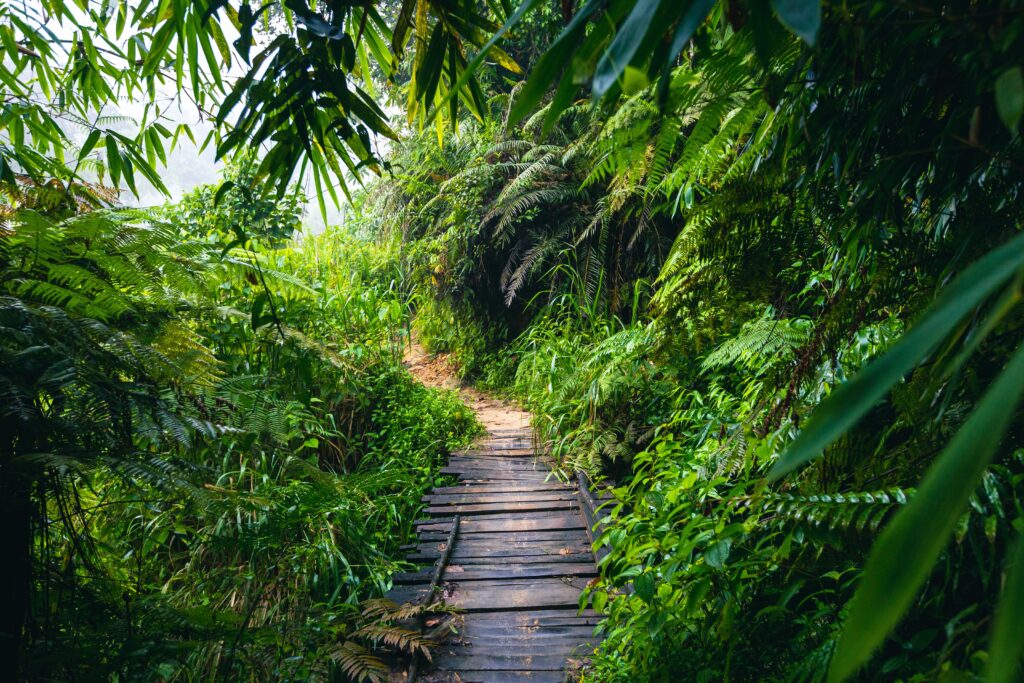
Sri Lanka’s most precious ecological asset – the island’s last viable tract of primary tropical rainforest, a UNESCO World Heritage Site, and one of the most biodiverse patches of forest on the planet, where over 60 percent of tree species are endemic and guided treks reveal a world of extraordinary complexity that includes the Sri Lanka Blue Magpie, the Purple-faced Langur, and dozens of amphibian species found nowhere else on earth. Access is deliberately limited to protect the ecosystem, and the rarity of that access is precisely what makes time in Sinharaja feel genuinely extraordinary.

Wasgamuwa National Park

One of Sri Lanka’s least-visited but most rewarding national parks – a remote, forested sanctuary in the central province that supports a significant elephant population, healthy numbers of leopards, and an extraordinary diversity of resident and migratory birdlife in a landscape of great natural beauty and very low tourist traffic. Wasgamuwa’s remoteness is its greatest asset for travellers seeking authentic wildlife encounters away from the jeep convoys of the more popular southern parks.

Minneriya National Park

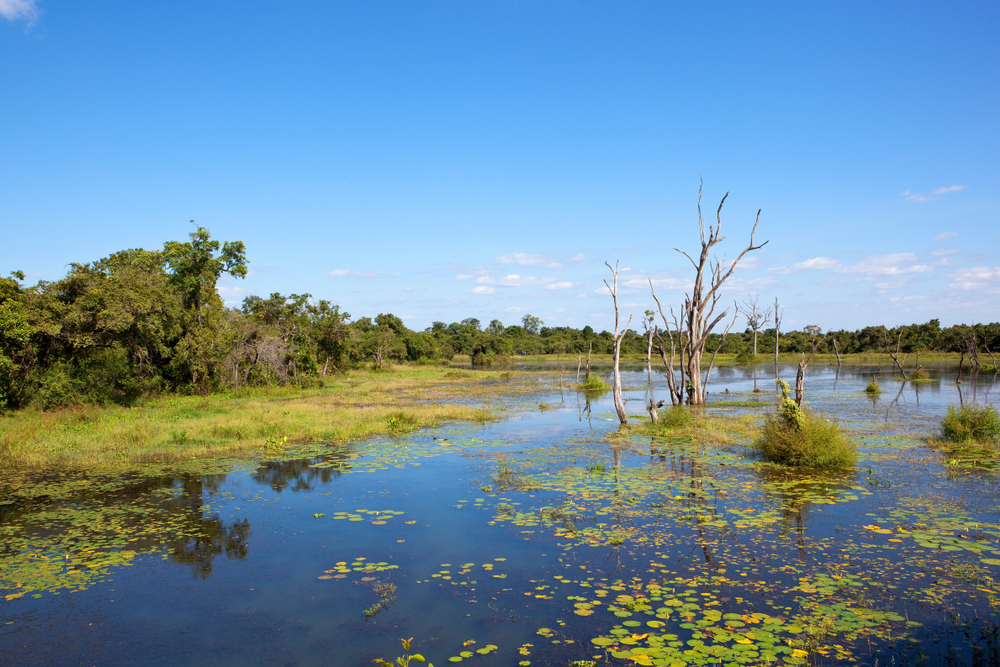
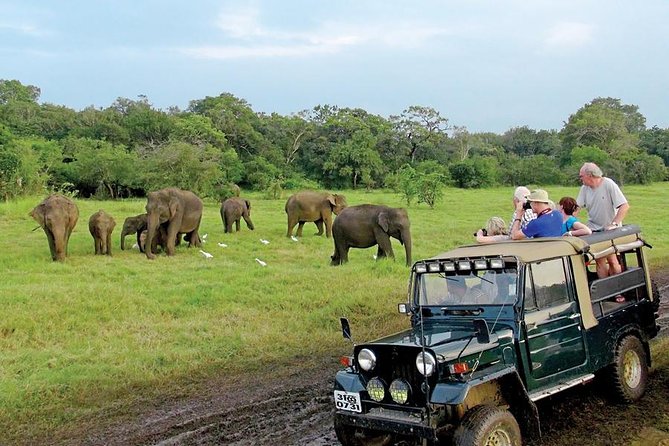
Home to one of the greatest wildlife spectacles on earth – the Elephant Gathering, when hundreds of wild Asian elephants converge on the ancient Minneriya Tank during the dry season in a display of scale, social behaviour, and raw natural energy that has been ranked among the top wildlife events on the planet. Even outside the peak gathering months, Minneriya’s open tank landscape, excellent waterbird diversity, and reliable elephant herds make it one of the most consistently rewarding safari destinations in the country.

Wilpattu National Park

Sri Lanka’s largest and, in the opinion of many wildlife enthusiasts, most beautiful national park – an ancient landscape of dry zone forest and the natural lake basins called villus that provide exceptional wildlife habitat and support a healthy, visible leopard population in conditions of genuine wildness that Yala’s heavier visitor traffic cannot always match. Wilpattu rewards the traveller who values depth of encounter over volume of sightings – quieter, more spacious, and offering a quality of wilderness experience that the more accessible parks cannot replicate.

Yala National Park

Sri Lanka’s most celebrated national park and one of the world’s premier leopard destinations – a vast landscape of scrub jungle, rocky outcrops, coastal lagoons, and open grassland that supports the world’s highest density of leopards per square kilometre alongside elephants, sloth bears, crocodiles, and over 200 bird species. A morning safari in Yala is an experience of sustained anticipation and frequent reward – few wildlife destinations in Asia deliver encounters of this quality and frequency within the reach of a single day.

Higher Ground. Clearer Air. Sri Lanka Seen From a Different Angle.

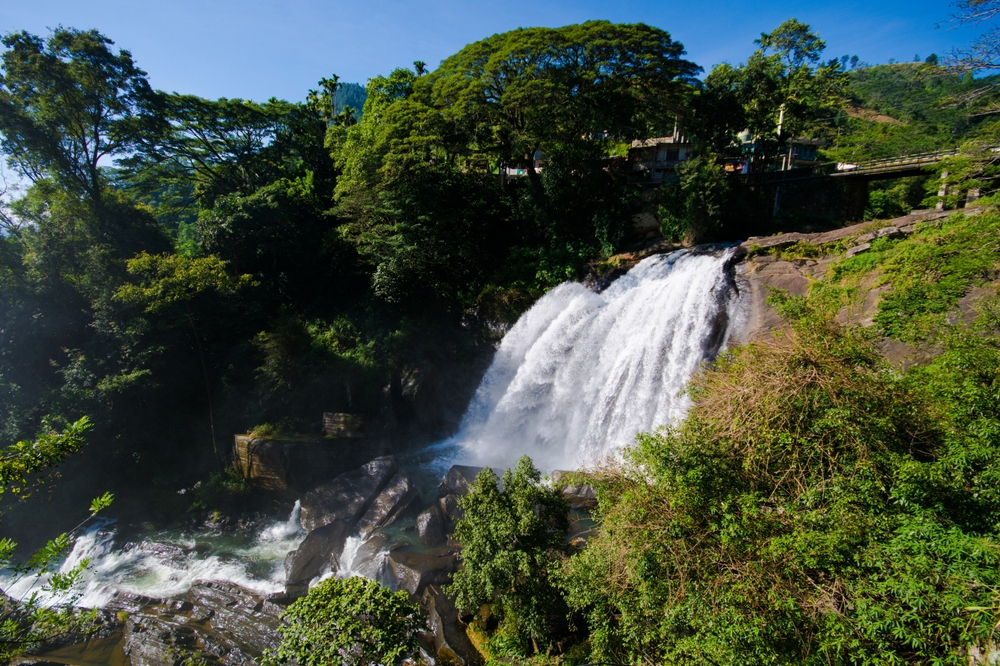
Sri Lanka’s central highlands are a world apart from the coastal plains – cool, misty, and draped in the tea estates that produce one of the world’s most celebrated agricultural products. The hill country’s dramatic landscapes offer some of the finest hiking trails, most scenic railway routes, and most atmospherically beautiful small towns in South Asia, and Tripsring incorporates them into journeys at the pace and depth they genuinely reward.

Madu River

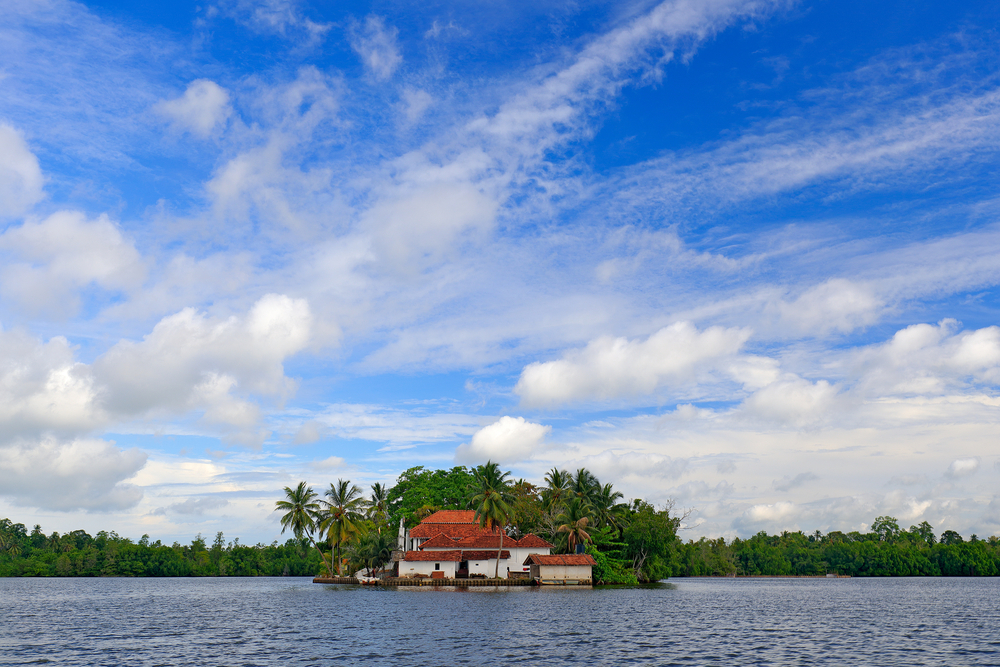
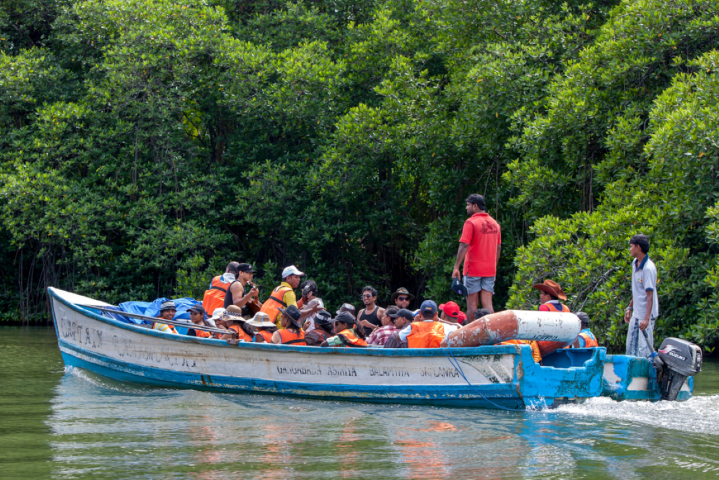
A Ramsar-listed inland wetland system of 900 hectares near Balapitiya on the southwest coast – a network of calm waterways, mangrove tunnels, and small islands best explored by small motorboat in a safari experience of extraordinary intimacy and natural beauty. The Madu River system includes a working cinnamon island, a Buddhist temple island, and natural fish therapy pools, and the combination of ecological richness, cultural interest, and the particular sensory experience of gliding through mangrove tunnels in the early morning makes it one of the most distinctive and memorable natural experiences on the western coast.

Ritigala Forest Monastery

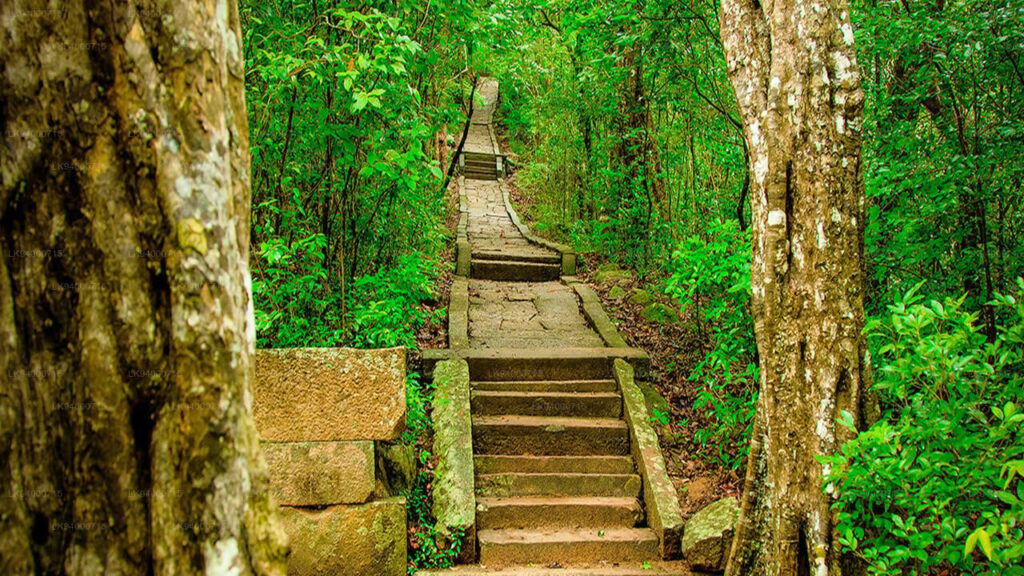
One of the most atmospheric and least-visited ancient sites in Sri Lanka – a ruined forest monastery built by ascetic monks in the 1st century BCE on a granite mountain shrouded in dense medicinal forest, its stone pathways, bathing ponds, and meditation platforms still visible beneath the encroaching jungle in a way that feels genuinely ancient rather than managed for tourism. The surrounding forest is a protected nature reserve rich in endemic birdlife and medicinal plants, and the ascent to the ruins is as much a nature walk as a heritage experience.

Kalpitiya

Sri Lanka’s most dramatic kitesurfing destination and one of the Indian Ocean’s finest spots for encountering enormous spinner dolphin super-pods – a rugged peninsula on the northwest coast where the lagoon and the deep sea meet in conditions that attract world-class kite surfers from October to April and massive dolphin aggregations year-round. Kalpitiya’s deserted sand dunes, small fishing islets, and raw, undeveloped coastal character give it an atmosphere of genuine remoteness that stands in complete contrast to the more developed resort coastlines of the south and west.

Kitulgala

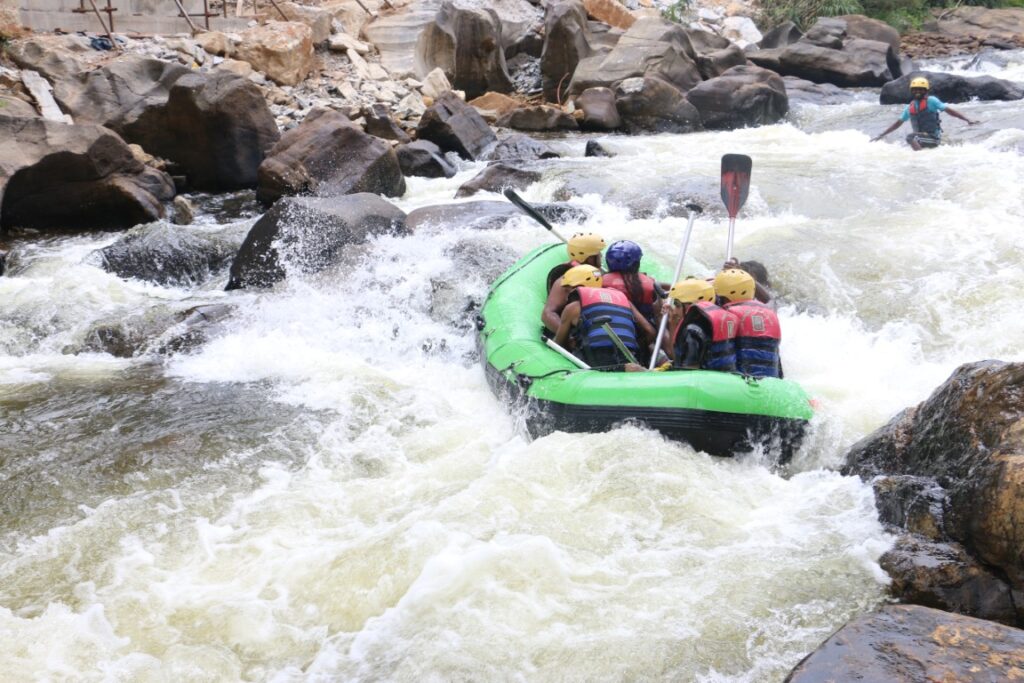
Sri Lanka’s adventure heartland – a lush, jungle-clad river town on the Kelani Ganga where the island’s best white-water rafting runs through Grade 2 and 3 rapids in a setting of extraordinary tropical forest beauty. The river here was famously used as the filming location for the original Bridge on the River Kwai, and beyond rafting, Kitulgala supports excellent birdwatching in the surrounding lowland rainforest, jungle trekking, and a network of natural pools and waterfall swimming spots that make it one of the most physically exhilarating and naturally beautiful destinations on any adventure-led Sri Lanka itinerary.

Knuckles Mountain Range

A UNESCO Biosphere Reserve of dramatic cloud-forest ridges, endemic wildlife, traditional mountain villages, and trail systems offering some of the finest trekking in Sri Lanka – named for the knuckle-like silhouette of its peaks when viewed from the lowlands, and home to dozens of endemic species and rural farming communities whose lifestyles have remained largely unchanged for generations. The Knuckles rewards multiple days of exploration with continuously varying landscapes, genuine biodiversity, and the particular satisfaction of a wilderness area that most Sri Lanka visitors never reach.

Horton Plains

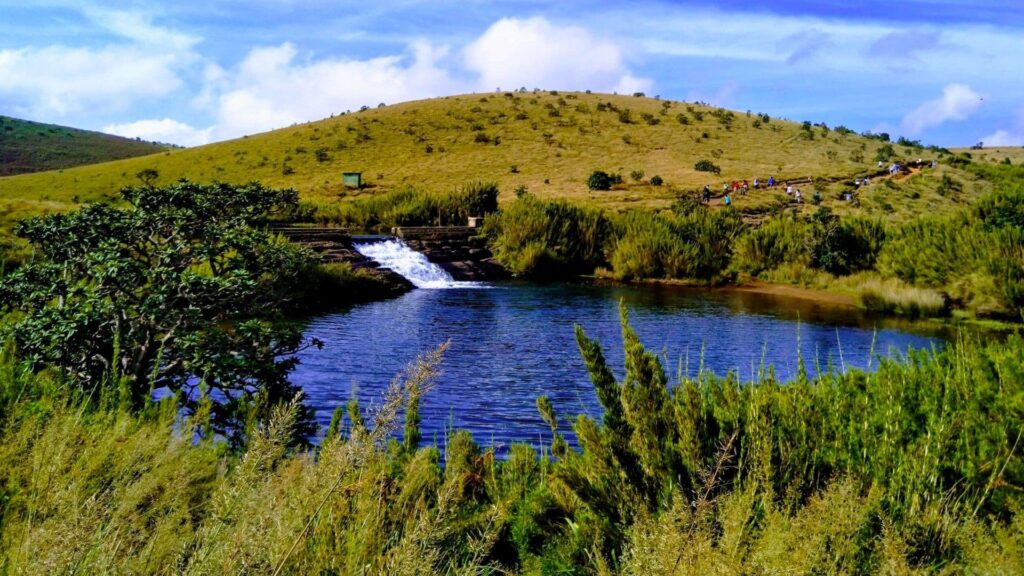
A UNESCO World Heritage highland plateau at nearly 2,200 metres – a landscape of open montane grassland, cloud forest, and endemic wildlife that culminates in the sheer cliff edge of World’s End, where the plateau drops 880 metres to the lowland plains in the most dramatic natural viewpoint in Sri Lanka. Visited at dawn before the daily mist rolls in, Horton Plains is one of those rare natural environments that rewards the effort of an early start with an experience of genuinely otherworldly beauty.

Ella

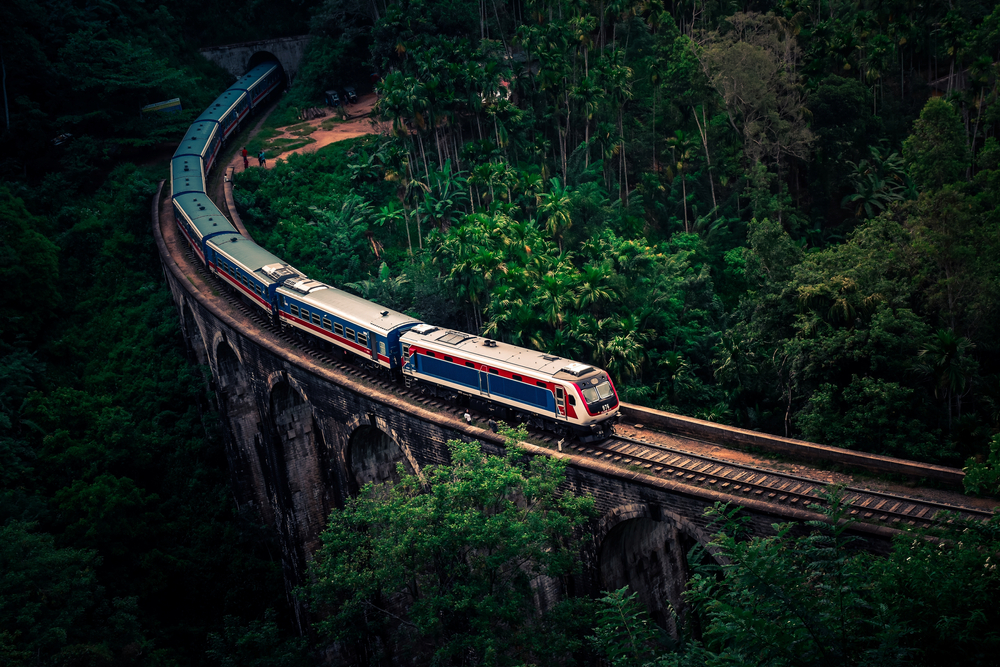
The hill country’s most beloved small town – perched in a natural gap in the southern highlands where the landscape drops dramatically away in views across the coastal plains, surrounded by tea estates, jungle trails, and the colonial-era Nine Arch Bridge that has become one of Sri Lanka’s most iconic architectural images. Ella rewards time far more than it rewards rushing – its main street cafes, mountain hiking trails, and the particular quality of highland afternoon light make it one of those places where the urge to stay another day is almost universal

Sri Lanka’s Quieter Landscapes. Where the Island Breathes Most Deeply.

Beyond the headline wildlife parks and cultural heritage circuit, Sri Lanka holds a collection of nature destinations defined by ecological richness, sensory beauty, and the kind of unhurried immersion that rewards travellers willing to go slightly further from the main tourist trail. Tripsring incorporates these destinations into its nature-focused itineraries for travellers who want more from Sri Lanka than the standard circuit delivers.

Madu River

A Ramsar-listed inland wetland system of 900 hectares near Balapitiya on the southwest coast – a network of calm waterways, mangrove tunnels, and small islands best explored by small motorboat in a safari experience of extraordinary intimacy and natural beauty. The Madu River system includes a working cinnamon island, a Buddhist temple island, and natural fish therapy pools, and the combination of ecological richness, cultural interest, and the particular sensory experience of gliding through mangrove tunnels in the early morning makes it one of the most distinctive and memorable natural experiences on the western coast.

Ritigala Forest Monastery

One of the most atmospheric and least-visited ancient sites in Sri Lanka – a ruined forest monastery built by ascetic monks in the 1st century BCE on a granite mountain shrouded in dense medicinal forest, its stone pathways, bathing ponds, and meditation platforms still visible beneath the encroaching jungle in a way that feels genuinely ancient rather than managed for tourism. The surrounding forest is a protected nature reserve rich in endemic birdlife and medicinal plants, and the ascent to the ruins is as much a nature walk as a heritage experience.

Hiriketiya

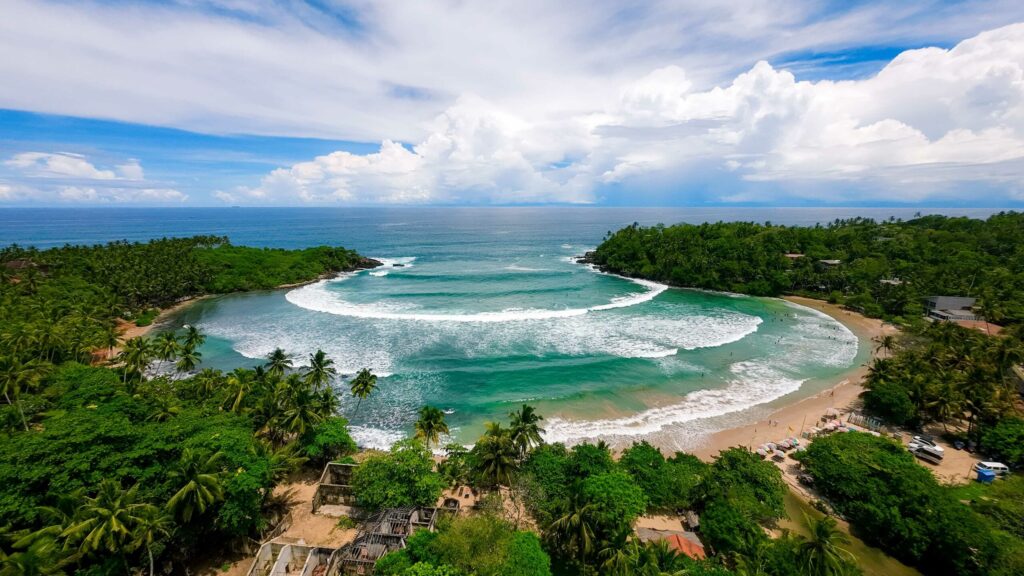
A near-perfect horseshoe bay on Sri Lanka’s south coast where jungle reaches directly to the waterline, the waves are gentle enough for beginners and interesting enough for experienced surfers, and the entire bay retains a sense of quiet discovery despite growing slowly more popular each year. Hiriketiya attracts a particular kind of traveller – one who values natural beauty over developed infrastructure, genuine character over beach resort polish, and the easy, unhurried pleasure of a small bay that hasn’t been altered to make it more convenient.

Gal Oya National Park

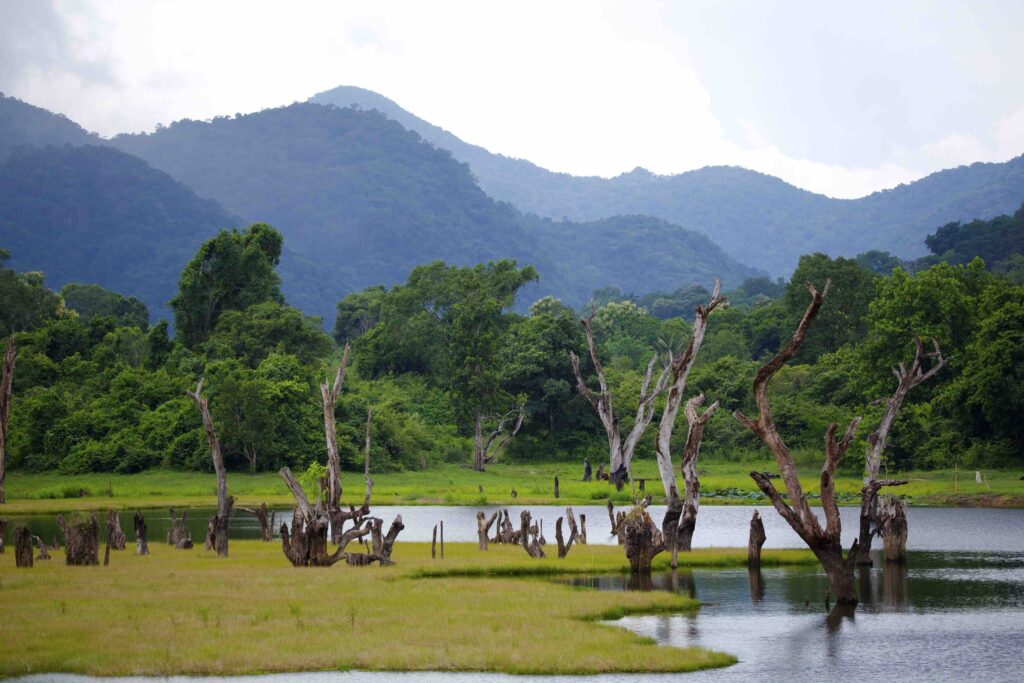
Sri Lanka’s most remote and least-visited major national park – a vast, wild landscape in the east of the island centred around the massive Senanayake Samudra reservoir, known above all for its unique boat safaris that take visitors through open water channels to observe wild elephants swimming between islands in an experience unlike anything available elsewhere in the country. The park’s extraordinary wildness and very low visitor numbers give Gal Oya a quality of genuine wilderness encounter that the more accessible parks of the south cannot always provide.

Nuwara Eliya

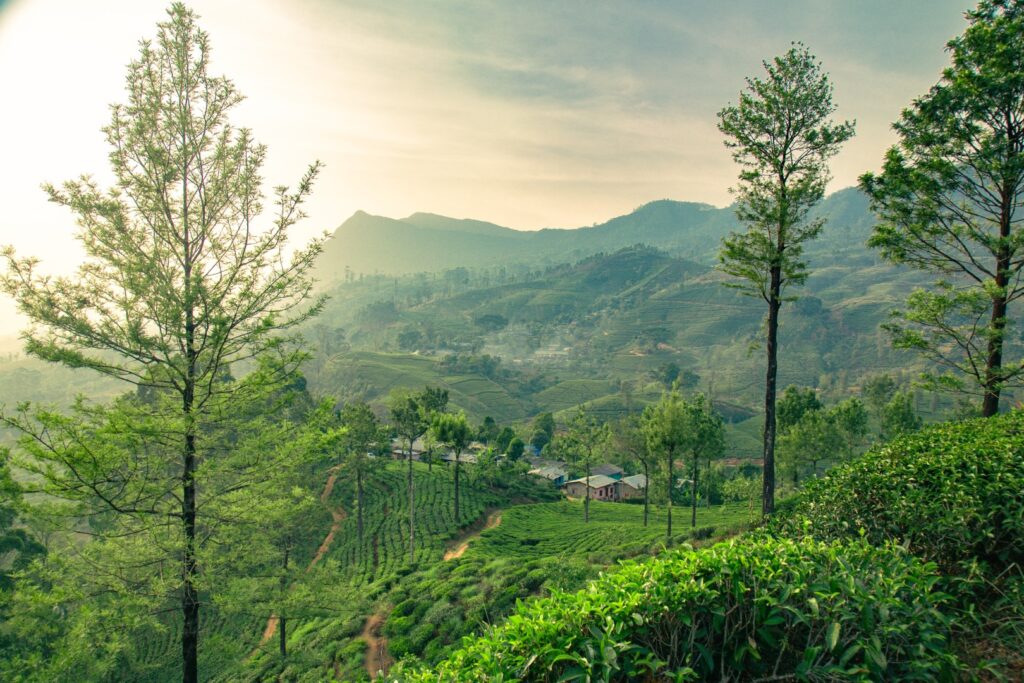
Perched at nearly 2,000 metres above sea level, Nuwara Eliya carries the peculiar, charming atmosphere of a British hill station transported to a tropical island – Tudor architecture, rose gardens, a Victorian-era gentlemen’s club, and a racecourse all coexisting with rolling tea estate landscapes and the cool, clean air of Sri Lanka’s highest city. The surrounding tea country is extraordinarily beautiful – terraced plantations stretching to every horizon, misty ridge-line dawns, and the world-class Ceylon tea produced within sight of the town make Nuwara Eliya one of the most distinctive and atmospheric destinations on the island.